Electronic components: Bright pearls in the field of science and technology
In today's era of rapid technological advancement, electronic components are like brilliant pearls in the technological world, radiating dazzling light and providing powerful impetus for the development of various fields.
Electronic components are widely used in numerous fields, ranging from smartphones, tablets and smart home appliances in daily life, to automated equipment and robots in the industrial sector, and advanced diagnostic and therapeutic instruments and wearable medical devices in the medical field. Electronic components can be found everywhere. They are the key elements for the realization of modern technology and are indispensable.
In recent years, the electronic components industry has achieved remarkable accomplishments in technological innovation. Firstly, the trend of miniaturization continues to advance. As people continue to pursue the portability and integration of electronic devices, the size of electronic components is getting smaller and smaller. Thanks to the continuous progress of advanced manufacturing processes and materials science, today's electronic components can achieve powerful functions in a very small space. For instance, micro-sensors can precisely detect various physical quantities, providing crucial data support for smart devices. Microchips have a higher degree of integration and processing power, making electronic devices more intelligent and efficient.
Secondly, performance improvement has become an important goal for the development of the industry. With the rapid rise of emerging technologies such as artificial intelligence, big data and cloud computing, the performance requirements for electronic components are also getting higher and higher. In terms of processing speed, the new generation of processors can handle large amounts of data at an astonishing speed, meeting the demands of complex computing tasks. In terms of storage capacity, the continuously introduced new types of storage chips can accommodate massive amounts of data, providing a reliable guarantee for data storage and management. Meanwhile, communication electronic components are constantly being upgraded to achieve faster data transmission speeds and more stable signal transmission quality, building an efficient bridge for the rapid flow of information.
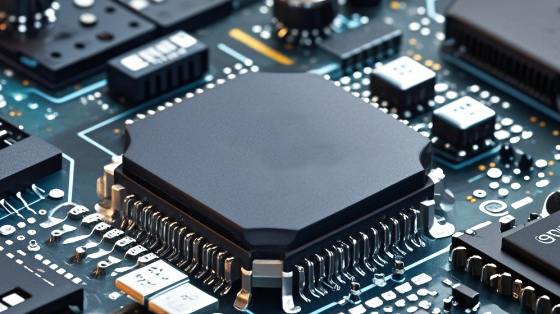
In terms of reliability, electronic components are also constantly improving. For some key fields, such as aerospace, military, and medical, the reliability of electronic components is directly related to the safety and stable operation of the system. Researchers ensure that electronic components can operate normally in various extreme environments through strict quality control, optimized design and the use of highly reliable materials. For instance, under harsh conditions such as high temperature, low temperature, high radiation and strong vibration, electronic components can still maintain stable performance, providing a solid guarantee for the reliable operation of critical systems.
The innovation of electronic components is also reflected in the field of energy conservation and environmental protection. With the increasing global emphasis on environmental protection, the electronic components industry is also actively exploring more energy-efficient and environmentally friendly solutions. Low-power electronic components can significantly reduce the energy consumption of electronic devices and minimize their impact on the environment. Meanwhile, some recyclable electronic component materials are also gradually being promoted and applied to reduce the generation of electronic waste and contribute to sustainable development.
In addition, the intelligent development of electronic components has also become a major trend. With the wide application of Internet of Things (iot) technology, the demand for intelligence in electronic devices is increasing. Intelligent electronic components can achieve self-perception, self-diagnosis and self-adjustment, enhancing the intelligence level and operational efficiency of equipment. For instance, intelligent sensors can automatically adjust parameters according to environmental changes to achieve more accurate measurements. Intelligent chips can automatically optimize performance according to different application scenarios, providing users with a better experience.
The development of electronic components not only promotes technological progress but also brings huge opportunities for economic and social development. On the one hand, as an important component of the high-tech industry, the development level of electronic components directly reflects a country's scientific and technological strength and innovation capacity. By increasing investment in the research and development of electronic components and enhancing independent innovation capabilities, China can elevate its position in global technological competition. On the other hand, the wide application of electronic components has driven the development of related industries, such as electronic manufacturing, communications, and software, creating a large number of job opportunities and economic value.
However, the electronic components industry is also facing some challenges. First of all, the difficulty of technological innovation is constantly increasing. As the performance requirements for electronic devices continue to rise, electronic components need to constantly break through technical bottlenecks and develop more advanced products. This requires a large amount of capital investment and high-quality scientific research talents, while also facing technical risks and market uncertainties. Secondly, international competition is becoming increasingly fierce. The global electronic components market is highly competitive, and all countries are increasing their support for the electronic components industry. China's electronic component enterprises need to constantly improve product quality and technological level to enhance their international competitiveness. In addition, intellectual property protection is also an important issue. The electronic components industry is a technology-intensive industry. The protection of intellectual property rights is of vital importance to the innovation and development of enterprises.
Facing these challenges, China's electronic components industry needs to take a series of measures. First, increase investment in research and development, encourage enterprises and research institutions to strengthen cooperation, and jointly overcome key technical problems. Second, we should enhance talent cultivation and foster a group of high-quality electronic component professionals with innovative capabilities and practical experience. Third, we should enhance international cooperation, introduce advanced technologies and management experiences, and improve the overall level of China's electronic components industry. Fourth, we should strengthen the protection of intellectual property rights, create a favorable environment for innovation, and encourage enterprises to increase their investment in innovation.
In conclusion, electronic components, as the brilliant pearls in the field of science and technology, play an irreplaceable role in promoting scientific and technological progress and the development of the economy and society. In the future development, the electronic components industry will continue to face various challenges and opportunities. It is believed that through continuous innovation and efforts, China's electronic components industry will surely stand out in the global technological competition and make greater contributions to the construction of China as a science and technology power and the sustainable development of the economy and society.